Rear Brake / Parking Brake / Drum Brake Guide
- Mobile Mechanic Co
- Mar 23
- 3 min read

The most overlooked Brake that Could Be Causing That Squeaky Noise
If you’ve been hearing a high-pitched squeak, grinding noise, or strange dragging sound from the rear of your car, there’s a good chance the issue isn’t your main brakes at all.
It could be your rear drum brake or parking brake system — one of the most overlooked components on a vehicle.
As a mobile mechanic business, we see this all the time across our customers, and most of the drivers don’t even realize their car has this type of brake system.
Let’s break it down in simple terms 👇
What is a Rear Drum / Parking Brake
Most vehicles today use disc brakes for stopping power — but many still use drum brakes in the rear, especially for the parking brake.
Here’s how it works:
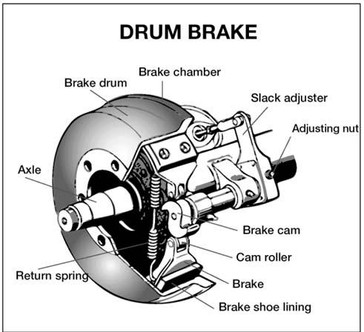
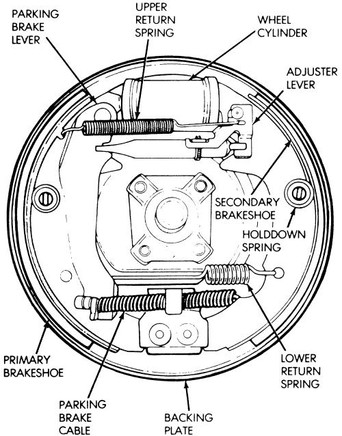
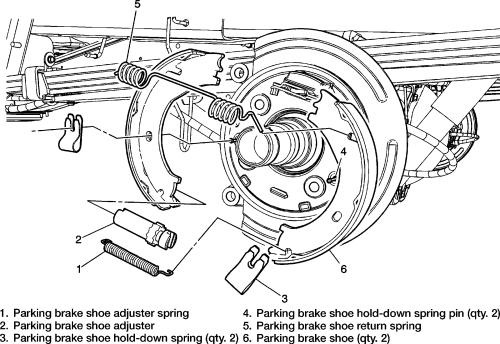
Inside the rear rotor or drum, there are brake shoes.
When you pull the parking brake, those shoes expand outward.
They press against the inside of the drum to hold your car in place.
Even if your car has rear disc brakes, you may still have a hidden drum-style parking brake inside.









Why This Brake Gets Overlooked
Unlike your front brakes, rear drum brakes:
Don’t wear as quickly.
Aren’t visible without disassembly.
Don’t always trigger warning lights.
Rarely get inspected during quick brake jobs.
That means they can go years without service — until something goes wrong.
Common Signs of Rear Drum / Parking Brake Problems
If your customers mention any of these, it’s a big clue:
🔊 Squeaking or squealing from the rear
Especially when reversing or driving slowly
Often caused by worn or dry brake shoes
⚠️ Grinding noise
Shoes worn down to metal
Can damage the drum or rotor
🚗 Car doesn’t hold when parked
Parking brake feels loose
Vehicle rolls slightly on hills
🔥 Burning smell after driving
Shoes dragging due to improper adjustment
🛑 Reduced braking performance
Rear brakes not contributing properly
What Causes These Issues?
The most common causes we see:
Worn-out brake shoes
Broken or weak return springs
Seized or stuck adjusters
Rust buildup from humidity
Lack of lubrication on contact points
Improper previous brake job
What's Involved in a Rear Drum Brake Repair?
A proper repair is more than just swapping parts. Here’s what a professional service should include:
✔️ Full disassembly
✔️ Cleaning brake dust and debris
✔️ Replacing worn brake shoes
✔️ Inspecting springs and hardware
✔️ Lubricating contact points
✔️ Adjusting brake shoe tension
✔️ Testing parking brake function
Skipping any of these steps can lead to noise coming back quickly
Why Maintenance Is So Important
This isn’t just about noise — it’s about safety and preventing bigger repairs.
Keeps your vehicle from rolling
A properly working parking brake is critical when parked on hills.
Prevents expensive damage
Ignoring worn shoes can damage:
Drums
Rotors
Wheel hubs
Improves overall braking balance
Rear brakes help stabilize your car when stopping.
Avoids emergency breakdowns
We’ve seen cases where:
Springs snap
Shoes detach
Brakes lock up suddenly
How Often Should You Service Rear Drum Brakes?
A good rule of thumb:
Inspect every 30,000 – 50,000 miles
Sooner if you hear noise or feel issues
But honestly — most cars we service haven’t had this checked in years.
Why Choose a Mobile Mechanic for This Job?
Rear drum brake work can be:
Time-consuming
Spring-loaded (literally 😅)
Easy to install incorrectly
That’s where we come in.
At Mobile Mechanic Co., we:
Come directly to your home or workplace
Diagnose the issue on-site
Perform full rear brake service correctly
Save you time and towing costs
Final Thoughts
If you’re hearing mystery squeaks or grinding from the rear, don’t ignore it.
There’s a good chance your rear drum or parking brake system is trying to get your attention.
Fixing it early is:
Cheaper
Safer
Faster
Need Rear Brake Service?
We hope this article helped you get a better idea of what might be going on with your vehicle and whether it’s time for a repair. If you have any questions or want us to take a look, feel free to give us a call at 615-795-1347 or click the "Request a Quote" button below to submit a repair request. Our team will get back to you as soon as possible!

Comments